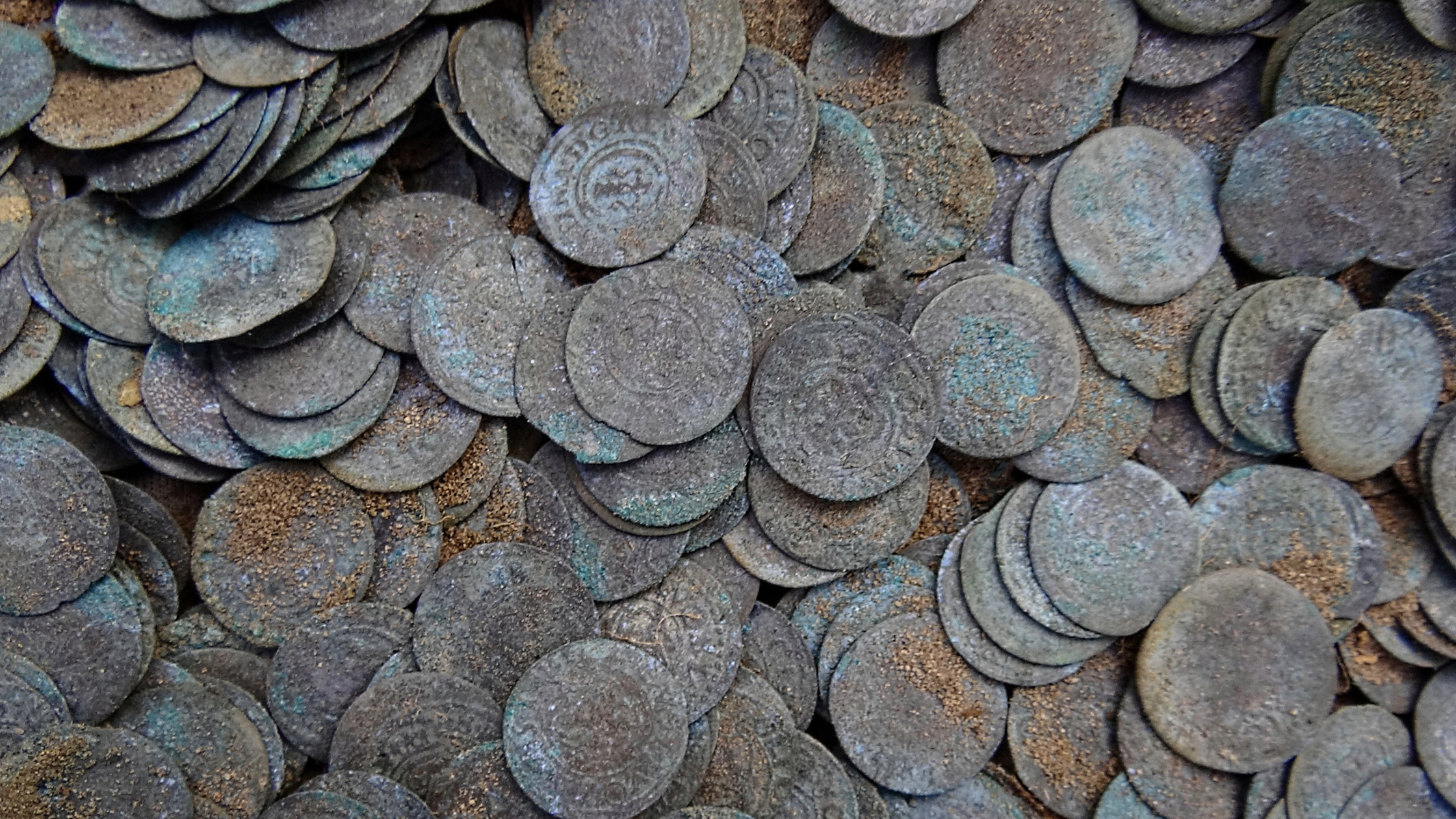
For many collectors and history enthusiasts, few things are as thrilling as the discovery of a shipwreck filled with many ancient coins. These tiny relics of a long-lost maritime past hold stories of adventure, tragedy, and fortune. Shipwreck coins, recovered from sunken vessels, offer a unique connection to history that modern coins simply can’t match. Whether you’re new to numismatics or a seasoned collector, diving into the world of shipwreck coins can be an exciting and rewarding experience.
The History Behind Shipwreck Coins
Shipwreck coins are exactly what they sound like: coins that were lost during shipwrecks, often recovered from the sea years, or even centuries, later. The history of these coins is deeply rooted with the stories of the ships they once traveled with. Throughout history, the sea has claimed countless ships, and many of these ships were carrying valuable cargo, including gold, silver, and precious metals. Over time, some of these wrecks have been discovered and explored, leading to the recovery of coins that once belonged to explorers, traders, and even pirates.
Recently, One of the most famous shipwrecks was discovered, the S.S Central America. The find from this wreck was massive, including 7,000 gold coins, 800 gold ingots (some reaching value in the millions), and around 36 kilos of gold dust. Many of the coins recovered were certified by PCGS and are readily available today. You can find out more information on this shipwreck here.
Why Collect Shipwreck Coins?
For collectors, shipwreck coins provide a tangible connection to the past that’s hard to match. These coins aren’t just rare—they’re literally “time travelers,” carrying with them a piece of history. Some of the main reasons collectors are drawn to shipwreck coins include:
- Historical Significance: Every coin has a backstory. Shipwreck coins can trace their origins to various time periods and cultures. They could have been stolen by pirates, or played an important part in sea trade. Owning one is like holding a piece of history in your hand.
- Scarcity and Rarity: Some shipwreck coins can be rare or even unique. Depending on the shipwreck, the number of coins recovered may be small, which means the supply is limited. For some, this rarity increases the appeal and the value of the coins.
- The Romance of Treasure Hunting: The thrill of treasure hunting is ingrained in popular culture, and there’s something undeniably romantic about the idea of finding a long-lost coin from a sunken ship. Owning a shipwreck coin can feel like you’ve been part of that adventure.
- Investment Potential: Rare shipwreck coins can increase in value over time. As they become more difficult to find, their worth tends to rise. Collectors and investors alike see these coins as both valuable historical artifacts and potential assets.
The Types of Shipwreck Coins You Can Collect
Shipwreck coins come in a variety of forms, depending on the origin and era of the shipwreck. Here are some common types of shipwreck coins collectors seek:
- Spanish Doubloons: Spanish gold doubloons are some of the most sought-after shipwreck coins. These large gold coins, once used by the Spanish Empire, are known for their beauty and value. Depending on their condition, they can go for many thousands of dollars.
- Spanish Reales: Another popular coin from shipwrecks is the silver real, which was the standard currency in Spain and Latin America during the 16th and 17th centuries. These coins are often found in abundance in wrecks of Spanish treasure ships.
- American Colonial Coins: Coins from early American colonies are often found in shipwrecks as well. Colonial-era coins were often made of silver or copper and were used for trade between settlers, Indigenous peoples, and Europe.
- Other International Coins: Coins from other countries, such as British pounds or Dutch guilders, may also turn up in shipwrecks, particularly in those related to international trade routes. These can be fascinating for collectors interested in the global nature of trade during the Age of Exploration.
- Ancient Coins: Some shipwrecks date back to ancient civilizations, and their cargo may include coins from the Roman Empire, Greek city-states, or the ancient kingdoms of the Mediterranean. These coins are incredibly rare and highly prized by numismatists.
How to Start Collecting Shipwreck Coins
If you’re interested in starting a collection of shipwreck coins, here are a few tips to help you get started:
- Research Shipwrecks: Knowing the history behind the coins you collect can be just as rewarding as the coins themselves. Some collectors specialize in specific shipwrecks, like the Atocha or S.S. Central America, and learn as much as they can about the voyages, the crew, and the eventual sinking.
- Work with Reputable Dealers: When purchasing shipwreck coins, it’s important to buy from reputable dealers who provide proper documentation and authenticity certificates. Many shipwreck coins are sold with a certificate of authenticity (COA) that proves the coin’s provenance and ties it back to a specific wreck. Sedwick Coins is one of the premier dealers on this topic.
- Condition Matters: As with any type of collectible, the condition of a shipwreck coin can significantly affect its value. Many coins recovered from shipwrecks have suffered corrosion, pitting, or other damage so therefore ones without damage fetch higher premiums, but some collectors find the “weathered” look adds to their charm and story.
- Start with a Focus: You don’t need to buy every shipwreck coin you find. Starting with a specific theme or shipwreck can help you build a cohesive and meaningful collection. Whether you focus on coins from a particular era or region, narrowing your collection’s focus can make it more rewarding.
The Future of Shipwreck Coin Collecting
Shipwreck coins are likely to remain a significant part of numismatic collections for years to come. As technology improves, new wrecks are discovered, and old ones are explored more thoroughly. With the growing interest in history and treasure hunting, it’s safe to say the allure of these rare and beautiful artifacts will continue to capture the imagination of collectors around the world.
